By category
FMCG, food & beverage sampling across India
Packaged food, snacks and beverages sell on taste and instant reaction — which makes sampling one of the highest-ROI ways to launch or relaunch in this category. We run both wet sampling (on-the-spot tasting, ideal for beverages, snacks and ready-to-eat food) and dry sampling (a sealed pack to try at home) depending on your product and budget, matched to the touchpoints where your actual buyer already is — modern trade, malls, residential societies and colleges.
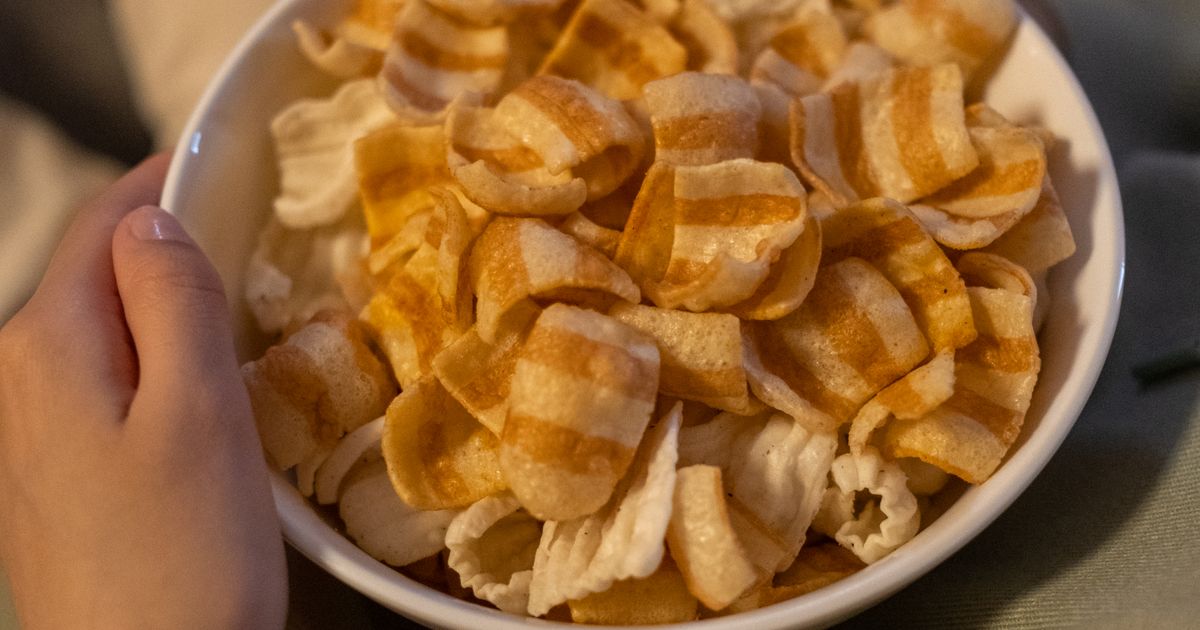
India’s packaged food and beverage market is intensely crowded, and shelf space alone rarely wins a new launch — a shopper has to actually taste or use the product before a brand claim means anything to them. This is why FMCG sampling in India has grown well beyond simple street-corner stalls into a structured, trackable discipline involving retail tie-ups, residential society access and increasingly, quick-commerce order inserts.
The category splits cleanly by product type: beverages (juices, health drinks, RTD tea/coffee, flavoured water) almost always need wet sampling since taste is the entire proposition; ambient snacks and ready-to-eat food can work with either format depending on whether a single bite or a full serving is needed to judge the product fairly; and staple/pantry FMCG (spices, sauces, cooking essentials) typically does better with dry sampling paired with a recipe card or usage tip, since the trial happens in someone’s kitchen, not on the street.
City selection matters more than most brands expect. Metro sampling (Delhi, Mumbai, Bengaluru, Chennai, Hyderabad, Pune, Kolkata) gives volume and strong modern-trade access, but tier-2 cities like Indore, Jaipur, Lucknow, Coimbatore, Surat and Nagpur frequently show higher trial-to-repeat-purchase rates for mass FMCG products simply because there’s less competing marketing noise reaching the same household.
Wet sampling for instant reaction
Trained promoters serve a ready-to-consume portion on the spot — the standard for beverages, snacks and taste-led launches.
Dry sampling for considered trial
A sealed sample or sachet handed over to try later at home — better for products that need a full serving or usage occasion to judge.
Hygiene-compliant execution
Trained field teams, proper handling and reporting for every wet-sampling activation, so quality and safety are never a question.
Trial-to-purchase tracking
QR-linked feedback and follow-up so you know which locations and audiences actually converted, not just how many samples went out.
Frequently asked questions
Is wet or dry sampling better for a new snack or beverage launch?
Wet sampling generally converts faster for taste-led categories since the reaction is immediate — but it costs more per contact due to trained promoters and on-site handling. Dry sampling is cheaper per unit and works well when you want wider reach or the product needs a full occasion (like a meal) to be judged fairly. We usually recommend a mix: wet sampling at a few high-footfall locations for buzz, dry sampling at scale for reach.
Which cities work best for FMCG sampling in India?
Tier-1 metros give you volume and modern trade access, but tier-2 cities like Indore, Coimbatore, Lucknow and Surat often show stronger trial-to-purchase conversion for mass FMCG products because there is less competing noise. We recommend picking cities based on your existing distribution footprint first — sampling works best where the product is already available to re-purchase.
How much packaged food or beverage sampling is needed to see a real sales lift?
It varies by category and price point, but as a rough planning benchmark, most brands need a few thousand well-targeted samples in a city before trial-to-purchase data becomes statistically meaningful. We help set a realistic volume based on your specific launch goals rather than an arbitrary number.
Ready to run this as a campaign?
You might also look at