By category
Beauty & personal care sampling across India
Skincare and haircare products live or die on how they feel and perform on skin/hair — no amount of ad copy replaces that. We run in-store demo sampling, doorstep RWA sampling for household products, and quick-commerce/D2C order-insert sampling so a trial-size version rides along with existing purchases in the same basket.
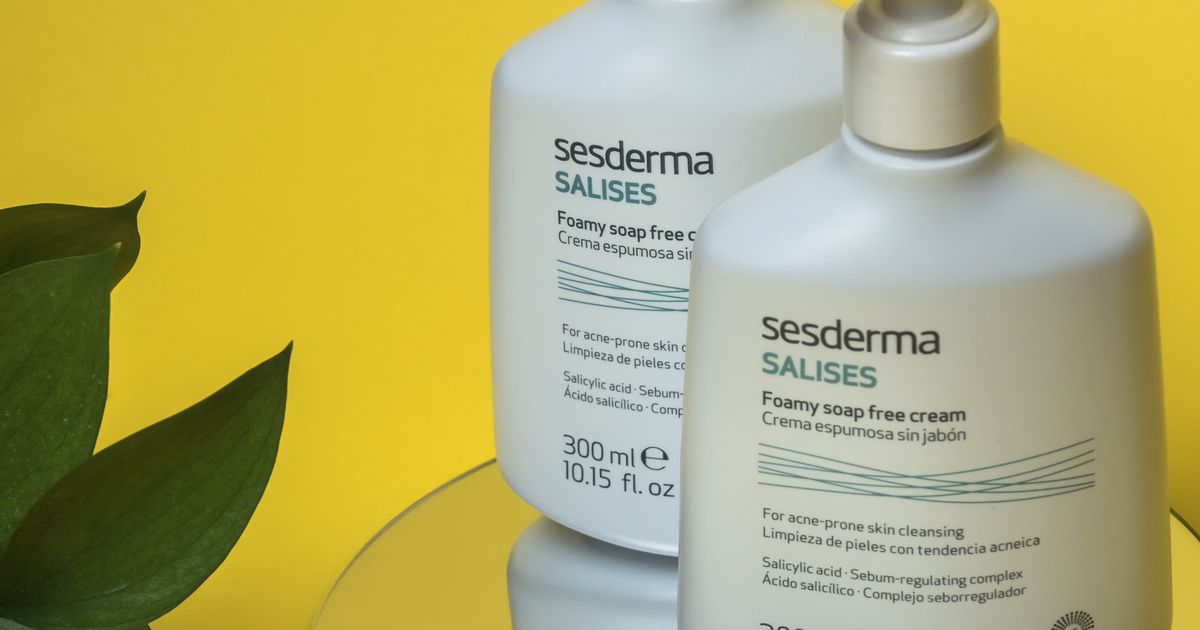
India’s beauty and personal care market has split sharply between mass-market products distributed through kirana and modern trade, and a fast-growing D2C/online segment built almost entirely on trial, reviews and word of mouth. Sampling strategy needs to match which side of that split your brand sits on — a mass skincare brand usually needs in-store demo sampling and RWA-level reach, while a D2C skincare or haircare brand often gets more value from quick-commerce order inserts and influencer-adjacent seeding.
Skin type and hair type diversity across India also matters more in this category than almost any other. A single national sampling campaign rarely performs evenly — climate, water hardness and regional skin/hair concerns vary enough between, say, Mumbai’s humidity and Delhi’s dry winters that feedback captured by city gives a far more usable signal than an aggregated national number.
For haircare specifically, sachet-format dry sampling remains one of the most cost-efficient formats in the Indian market — a single-use sachet costs a fraction of a full-size unit to produce and distribute, while still giving a genuine one-wash trial, which is usually enough for a hair-care product’s core benefit to be felt.
In-store demo sampling
Trained beauty advisors let shoppers try product at the point of purchase — the highest-converting touchpoint for this category.
RWA & household sampling
Doorstep sampling in residential societies works well for haircare, skincare and personal care items with daily-use occasions.
Quick-commerce order inserts
A trial-size sachet slipped into existing D2C or quick-commerce orders — near-zero acquisition cost per sample.
Feedback capture built in
Every sample carries a QR code so you get real skin/hair-type feedback, not just distribution numbers.
Frequently asked questions
How many samples do I need for a meaningful beauty product launch?
For a statistically useful read on conversion, most brands need at least 3,000–5,000 qualified samples distributed to a well-targeted audience, not a scattergun 20,000 handed to anyone nearby. Quality of targeting matters more than raw volume in this category.
Can sampling be combined with influencer seeding?
Yes — many of our beauty and personal care clients run a parallel track: on-ground/D2C sampling for volume and conversion data, plus a smaller targeted seeding list for micro-influencers to generate content and reviews.
Does sampling need to be region-specific for skincare and haircare?
It helps significantly. Skin and hair concerns, water quality and climate vary enough across Indian cities that capturing feedback by region rather than as one national number usually gives a clearer, more actionable read on how the product is actually performing.
Ready to run this as a campaign?
You might also look at