12 August 2026
Wet Sampling vs Dry Sampling: Which One Fits Your Product?
Every sampling campaign for a food, beverage or personal care product starts with one decision that shapes everything else: wet or dry sampling.
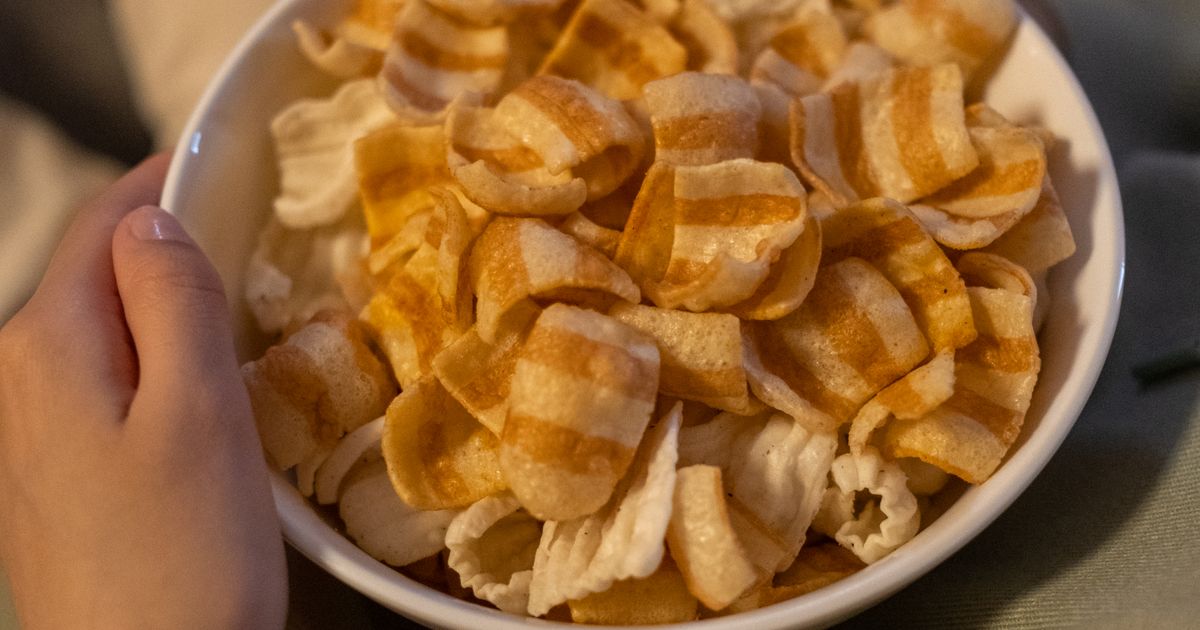
Wet sampling means a consumer tries or tastes a ready-to-use portion of your product on the spot — a sip of a new beverage, a taste of a snack, a dab of a skincare product on the hand. It needs a trained promoter, proper hygiene handling, and usually a stall or table setup. It converts faster because the reaction is immediate, but it costs more per contact and scales more slowly since you’re limited by promoter hours and venue capacity.
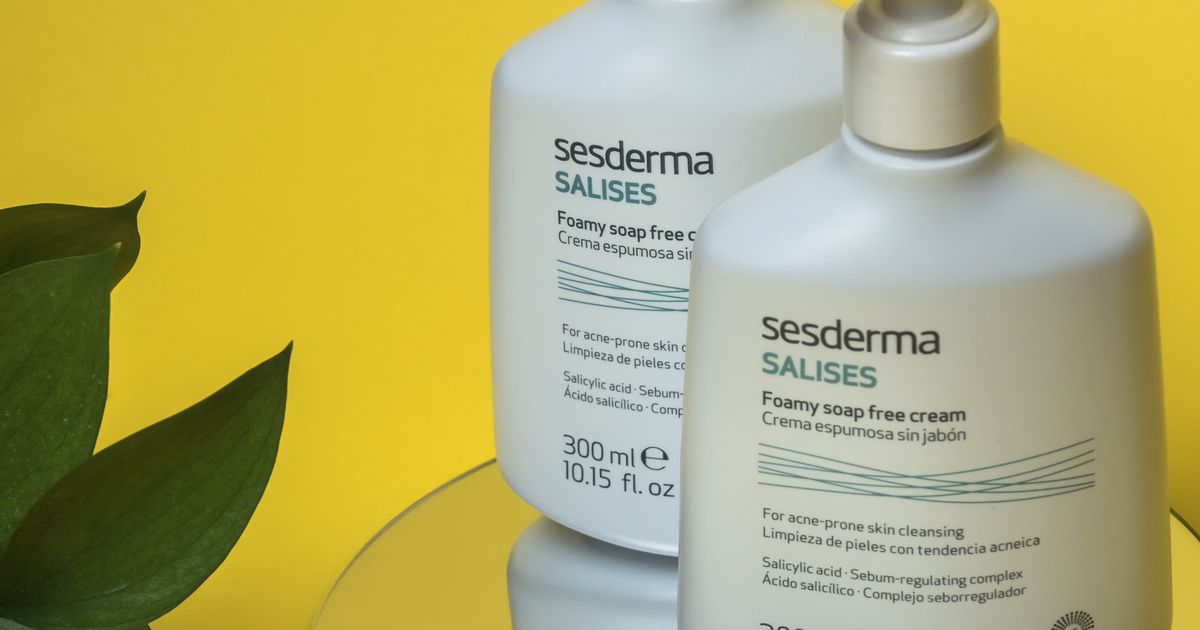
Dry sampling means handing over a sealed sample or sachet for the person to use later, at home, in their own time. It’s cheaper per unit, scales faster since it doesn’t need a trained promoter standing there, and works well for products that need a full usage occasion — a meal, a full hair wash, an overnight skincare routine — to be judged fairly.
In practice, most brands get the best result from a mix: wet sampling at a handful of high-footfall locations to generate immediate reaction and word of mouth, and dry sampling at scale through RWAs, corporate parks or quick-commerce order inserts to build reach.
The wrong call is usually choosing dry sampling purely to cut cost for a product that genuinely needs the on-the-spot reaction to land — a new flavour of beverage, for instance, rarely gets a fair trial from a sealed pack sitting in someone’s fridge for two weeks.
Related solutions